


Why Compost Matters
🌱 Feeding the Soil That Feeds Us: Why Compost Matters in Every Garden
There’s a moment every spring when the garden starts to wake up faster than expected — seedlings stretch, beds thaw, and suddenly the soil is asking for more than winter left behind. That’s when compost becomes the quiet hero of the season.
Compost isn’t just “dirt.” It’s living, breathing, nutrient‑rich material that transforms tired soil into a thriving ecosystem. Whether you’re growing herbs in a tower garden, veggies in raised beds, or flowers along the fence line, compost is the foundation that helps everything grow with intention.
---
🌿 What Exactly Is Compost?
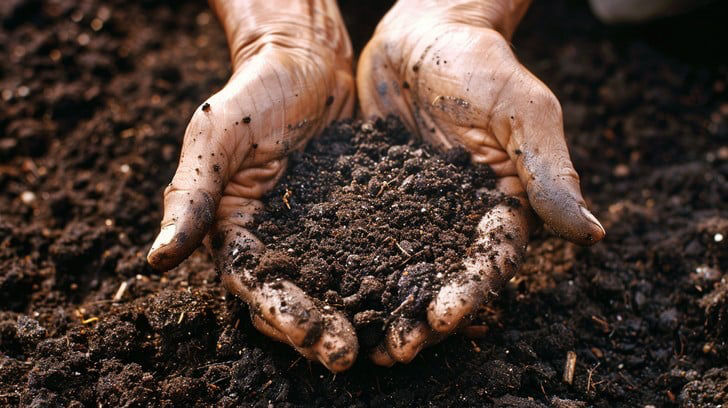
Compost is the result of organic materials — kitchen scraps, leaves, grass clippings, straw, manure — breaking down into a dark, crumbly, earthy‑smelling material called humus.
It’s full of beneficial microbes, fungi, and nutrients that support healthy plant growth.
Think of it as nature’s recycling system: nothing wasted, everything returned.
---
🌾 Why Compost Matters for Prairie Gardens
Here in Saskatchewan, our soil can be a mix of clay, sand, and whatever the last season left behind. Compost helps balance that out by:
• Improving soil structure so roots can breathe and stretch
• Boosting water retention (a lifesaver during dry spells)
• Adding slow‑release nutrients plants can access all season
• Supporting beneficial organisms that keep soil alive
• Reducing the need for synthetic fertilizers
Healthy soil grows healthy plants — and compost is the most natural way to get there.
---
🪱 Compost in Action: How We Use It at LMH
Every spring, we load up the buckets, grab the shovels, and make a family trip to pick up fresh compost. The kids help scoop, the SUV gets a little messy, and we come home with the good stuff — rich, dark compost ready to feed our beds and containers.
We use compost to:
• Top‑dress raised beds before planting
• Mix into potting soil for seedlings and transplants
• Fill the compost core of our tower garden to fuel herbs and greens
• Revitalize tired soil mid‑season
It’s one of the simplest ways to give your garden a strong start.
---
🌼 How Much Compost Do You Actually Need?
A good rule of thumb:
• New beds: 30–50% compost mixed into the top 6–8 inches
• Established beds: 1–2 inches spread on top each spring
• Containers: 20–30% compost blended into your potting mix
• Tower gardens: Fill the core with compost and refresh as needed
You don’t need perfection — just consistency.
---
🌍 Composting at Home: Small Steps, Big Impact
If you want to start making your own compost, begin with the basics:
Greens (nitrogen): fruit/veg scraps, coffee grounds, fresh grass
Browns (carbon): leaves, straw, shredded paper, dried stems
Aim for a balance of both, keep it moist like a wrung‑out sponge, and turn it occasionally. Nature will do the rest.
Even a small backyard bin can produce enough compost to enrich your garden year after year.
---
🌱 Final Thought: Compost Is Community
Compost reminds us that everything in the garden is connected — soil, plants, people, seasons. It’s a cycle of giving back, of tending what we have, of building something slow and steady.
Every bucket we haul home, every handful we spread, is part of the story we’re growing here at LMH:
intentional, sustainable, prairie‑rooted living.


Comments