


🌿 Resetting Your Nervous System Through Gardening
How Micro‑Homesteading Supports Anxiety, PTSD, and Everyday Overwhelm
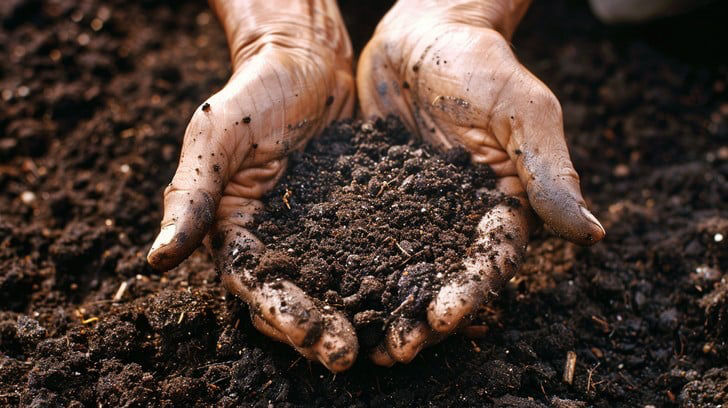
There’s a moment in gardening — often quiet, often small — where your shoulders drop without you noticing. Maybe it’s the cool soil on your palms, the rhythm of watering, or the way a seedling leans toward the sun. For many people living with anxiety, PTSD, or chronic stress, these moments aren’t just pleasant. They’re regulating.
At The Little Micro Homesteader, we believe that tending a garden isn’t just about growing food. It’s about growing safety, grounding, and nervous‑system resilience, one tiny ritual at a time.
---
🌱 What It Means to “Reset” Your Nervous System
When we talk about resetting the nervous system, we’re really talking about shifting from fight‑or‑flight (sympathetic activation) into rest‑and‑digest (parasympathetic activation).
People with anxiety or PTSD often spend more time in that activated state — not because they’re weak, but because their nervous system has learned to stay alert.
Gardening offers a natural pathway back to regulation through:
• Sensory grounding
• Predictable routines
• Gentle physical movement
• Connection to living things
• A sense of agency and accomplishment
These are not abstract ideas — they’re well‑documented in research.
---
🌿 Why Gardening Helps Anxiety and PTSD
Below are the most supported mechanisms, each linked to academic research.
1. Gardening reduces cortisol (stress hormone)
Studies show that even brief interactions with soil, plants, and outdoor environments can lower cortisol levels and improve mood.
A 2011 study found that gardening after a stressful event significantly reduced cortisol compared to indoor reading (Van den Berg & Custers, 2011).
2. Soil microbes may naturally boost mood
The harmless soil bacterium Mycobacterium vaccae has been shown to stimulate serotonin production pathways, acting as a natural antidepressant (Lowry et al., 2007).
This is one reason many gardeners describe feeling “lighter” after working with soil.
3. Gardening supports trauma recovery through sensory grounding
Trauma‑informed therapists often use somatic grounding to help regulate the nervous system. Gardening naturally provides:
• Cool soil
• Repetitive motions
• Natural scents
• Visual focus
• Rhythmic tasks
These sensory anchors help interrupt spirals of anxiety or flashbacks (Ogden & Fisher, 2015).
4. Nature exposure improves cognitive function and emotional regulation
Attention Restoration Theory suggests that natural environments restore mental clarity and reduce rumination (Kaplan, 1995).
For people with PTSD, this can mean fewer intrusive thoughts and improved emotional balance.
5. Gardening builds agency and self‑efficacy
Trauma often strips people of control. Gardening gives it back in small, manageable ways:
• “I watered this.”
• “I kept this alive.”
• “I created this space.”
Research shows that these micro‑successes improve resilience and reduce symptoms of depression and anxiety (Soga, Gaston & Yamaura, 2017).
---
🌼 Micro‑Homesteading as a Nervous‑System Practice
You don’t need acres. You don’t need perfection. You don’t need to be calm before you begin.
You just need one small ritual.
Here are a few LMH‑style grounding practices:
• Morning touch‑in — place your hands on the soil for 10 seconds and breathe.
• Watering as meditation — slow, steady, rhythmic.
• Seedling check‑ins — notice one new thing each day.
• Compost therapy — turning compost is a full‑body grounding exercise.
• Tower garden tending — repetitive, predictable motions that soothe the nervous system.
Each of these practices helps shift your body toward parasympathetic calm.
---
🌾 A Note for Those Living With PTSD
Gardening is not a replacement for therapy or medical care — but it is a powerful companion practice.
Many trauma survivors report that gardening:
• Helps them reconnect with their bodies
• Provides a safe, quiet environment
• Offers a sense of purpose
• Reduces hypervigilance over time
• Creates a predictable routine when life feels chaotic
And importantly: plants don’t rush you.
They grow at the pace they grow.
And they invite you to slow down with them.
---
🌻 Final Thoughts
Micro‑homesteading is more than a lifestyle — it’s a nervous‑system practice, a grounding ritual, and a gentle way to reclaim calm in a world that asks too much of us.
If you live with anxiety or PTSD, your garden can become a place where your body learns safety again, one breath and one seedling at a time.
---
📚 Academic References
Van den Berg, A. E., & Custers, M. H. (2011). Gardening promotes neuroendocrine and affective restoration from stress. Journal of Health Psychology, 16(1), 3–11.
Lowry, C. A., et al. (2007). Identification of an immune-responsive mesolimbocortical serotonergic system: Potential role in regulation of emotional behavior. Neuroscience, 146(2), 756–772.
Kaplan, S. (1995). The restorative benefits of nature: Toward an integrative framework. Journal of Environmental Psychology, 15(3), 169–182.
Ogden, P., & Fisher, J. (2015). Sensorimotor Psychotherapy: Interventions for Trauma and Attachment. Norton.
Soga, M., Gaston, K. J., & Yamaura, Y. (2017). Gardening is beneficial for health: A meta-analysis. Preventive Medicine Reports, 5, 92–99.
---
If you want, I can also turn this into a shorter social post, a downloadable handout, or a kid‑friendly version for your Guides.
There’s a moment in gardening — often quiet, often small — where your shoulders drop without you noticing. Maybe it’s the cool soil on your palms, the rhythm of watering, or the way a seedling leans toward the sun. For many people living with anxiety, PTSD, or chronic stress, these moments aren’t just pleasant. They’re regulating.
At The Little Micro Homesteader, we believe that tending a garden isn’t just about growing food. It’s about growing safety, grounding, and nervous‑system resilience, one tiny ritual at a time.
---
🌱 What It Means to “Reset” Your Nervous System
When we talk about resetting the nervous system, we’re really talking about shifting from fight‑or‑flight (sympathetic activation) into rest‑and‑digest (parasympathetic activation).
People with anxiety or PTSD often spend more time in that activated state — not because they’re weak, but because their nervous system has learned to stay alert.
Gardening offers a natural pathway back to regulation through:
• Sensory grounding
• Predictable routines
• Gentle physical movement
• Connection to living things
• A sense of agency and accomplishment
These are not abstract ideas — they’re well‑documented in research.
---
🌿 Why Gardening Helps Anxiety and PTSD
Below are the most supported mechanisms, each linked to academic research.
1. Gardening reduces cortisol (stress hormone)
Studies show that even brief interactions with soil, plants, and outdoor environments can lower cortisol levels and improve mood.
A 2011 study found that gardening after a stressful event significantly reduced cortisol compared to indoor reading (Van den Berg & Custers, 2011).
2. Soil microbes may naturally boost mood
The harmless soil bacterium Mycobacterium vaccae has been shown to stimulate serotonin production pathways, acting as a natural antidepressant (Lowry et al., 2007).
This is one reason many gardeners describe feeling “lighter” after working with soil.
3. Gardening supports trauma recovery through sensory grounding
Trauma‑informed therapists often use somatic grounding to help regulate the nervous system. Gardening naturally provides:
• Cool soil
• Repetitive motions
• Natural scents
• Visual focus
• Rhythmic tasks
These sensory anchors help interrupt spirals of anxiety or flashbacks (Ogden & Fisher, 2015).
4. Nature exposure improves cognitive function and emotional regulation
Attention Restoration Theory suggests that natural environments restore mental clarity and reduce rumination (Kaplan, 1995).
For people with PTSD, this can mean fewer intrusive thoughts and improved emotional balance.
5. Gardening builds agency and self‑efficacy
Trauma often strips people of control. Gardening gives it back in small, manageable ways:
• “I watered this.”
• “I kept this alive.”
• “I created this space.”
Research shows that these micro‑successes improve resilience and reduce symptoms of depression and anxiety (Soga, Gaston & Yamaura, 2017).
---
🌼 Micro‑Homesteading as a Nervous‑System Practice
You don’t need acres. You don’t need perfection. You don’t need to be calm before you begin.
You just need one small ritual.
Here are a few LMH‑style grounding practices:
• Morning touch‑in — place your hands on the soil for 10 seconds and breathe.
• Watering as meditation — slow, steady, rhythmic.
• Seedling check‑ins — notice one new thing each day.
• Compost therapy — turning compost is a full‑body grounding exercise.
• Tower garden tending — repetitive, predictable motions that soothe the nervous system.
Each of these practices helps shift your body toward parasympathetic calm.
---
🌾 A Note for Those Living With PTSD
Gardening is not a replacement for therapy or medical care — but it is a powerful companion practice.
Many trauma survivors report that gardening:
• Helps them reconnect with their bodies
• Provides a safe, quiet environment
• Offers a sense of purpose
• Reduces hypervigilance over time
• Creates a predictable routine when life feels chaotic
And importantly: plants don’t rush you.
They grow at the pace they grow.
And they invite you to slow down with them.
---
🌻 Final Thoughts
Micro‑homesteading is more than a lifestyle — it’s a nervous‑system practice, a grounding ritual, and a gentle way to reclaim calm in a world that asks too much of us.
If you live with anxiety or PTSD, your garden can become a place where your body learns safety again, one breath and one seedling at a time.
---
📚 Academic References
Van den Berg, A. E., & Custers, M. H. (2011). Gardening promotes neuroendocrine and affective restoration from stress. Journal of Health Psychology, 16(1), 3–11.
Lowry, C. A., et al. (2007). Identification of an immune-responsive mesolimbocortical serotonergic system: Potential role in regulation of emotional behavior. Neuroscience, 146(2), 756–772.
Kaplan, S. (1995). The restorative benefits of nature: Toward an integrative framework. Journal of Environmental Psychology, 15(3), 169–182.
Ogden, P., & Fisher, J. (2015). Sensorimotor Psychotherapy: Interventions for Trauma and Attachment. Norton.
Soga, M., Gaston, K. J., & Yamaura, Y. (2017). Gardening is beneficial for health: A meta-analysis. Preventive Medicine Reports, 5, 92–99.


Comments